Singing Bird with Microphone and Cowboy: A Designer’s Take
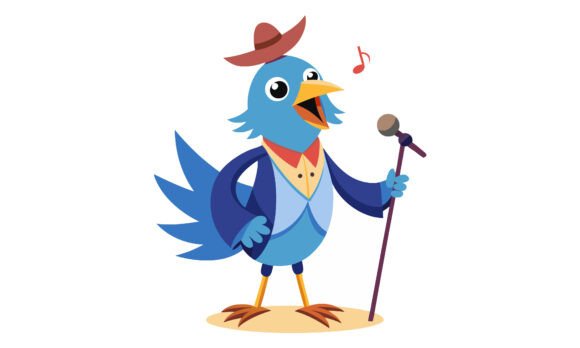
When I first opened the Singing Bird with Microphone and Cowboy digital design file, I was struck by its whimsical charm. The layout is balanced yet playful, with a central bird motif that immediately draws the eye. This isn’t just another cute graphic—it has character. The inclusion of the microphone and cowboy elements adds a layer of storytelling, making it ideal for personalized gifts or custom apparel where you want to convey fun and individuality.
Visual First Impressions and Project Fit
The visual personality of this design leans toward the humorous and lighthearted. It works well as an applique design, especially when layered over a simple background. The details are crisp and clean, but not overly intricate, which is great news for someone like me who values efficiency without sacrificing quality in machine embroidery designs.
I can already see this on a tote bag—maybe a holiday gift or a boutique product. The bird, microphone, and cowboy create a memorable image that could easily become part of a brand identity for a small shop selling handmade products. It feels versatile enough for both kids’ and adults’ items, depending on how you style the fabric and thread colors.
Theme and Layout Considerations
This design doesn’t scream boldness, but it does whisper creativity. The placement of the microphone and cowboy beside the bird suggests motion and expression, which is perfect for projects where you want to tell a story through stitching. As a designer, I appreciate that it maintains a clear focal point while allowing room for customization around it.
Real-World Embroidery Use Cases
Let’s break down where this design really shines in practical use:
- Custom Apparel: On sweatshirts or t-shirts, this design adds a quirky touch that stands out in casual wear. The bird’s posture and the microphone give it a dynamic feel, which looks great on front chest placements.
- Baby Items: For those working in baby embroidery, the friendly imagery is a natural fit. Just make sure the stitch density and thread colors are soft enough for delicate fabrics.
- Tote Bag Design: The larger surface area of a tote makes it an excellent candidate for this design. Whether used as a standalone feature or paired with other graphics, it brings life to a canvas bag.
- Embroidered Patches: The design is compact enough to translate well into a patch format. It would be a nice addition to jackets, backpacks, or denim pieces where a pop of personality is needed.
- Holiday Gifts: With some seasonal tweaks, such as adding snowflakes or changing the color palette, this could easily become a festive piece for Christmas or New Year’s gifts.
- Small Shop Product: Boutique owners looking to add unique branding can incorporate this into aprons, pillow covers, or kitchen towels. Its recognizable shape helps build brand consistency across product lines.
- Etsy Listings: As a digital embroidery file, it’s ready to be sold as a downloadable asset. Etsy sellers will appreciate the SVG and EPS formats for their flexibility in editing and scaling before creating printable mockups for their listings.
Where Caution Is Needed
While this design is adaptable, there are certain situations where you’ll need to be careful to ensure the best results:
- Small Hoop Sizes: The bird and cowboy may get lost if you try to force them into a tiny hoop. Always confirm your machine's recommended hoop size before committing.
- Textured or Stretchy Fabrics: If using on flannel or stretch knits, consider adjusting stitch density or using a stabilizer to prevent distortion.
- Thin or Dark Fabric: Thread color contrast becomes essential here. You might need to use brighter threads or white underlay to make the design visible and appealing.
- Curved Surfaces: When applying to caps or hats, test the design on a curved scrap first. The microphone and cowboy’s positioning may require tweaking for proper alignment.
- Detailed Corners: Watch out for tight curves and corners—these areas can sometimes cause puckering or skipped stitches if not properly stabilized.
- Frequent Washing: If the design is going onto something like a baby blanket or towel, opt for all-purpose polyester threads and a strong backing stabilizer to maintain durability.
Thread Color and Stitch Clarity
I recommend starting with a black and white mockup to evaluate how the design reads visually. Especially with the microphone and cowboy details, it’s easy to overdo the thread count. Keep it simple—two or three thread colors should suffice for most uses unless you're aiming for a more elaborate look. Also, review the stitch directions carefully; running stitch areas need to be supported to avoid fraying or distortion after multiple washes.
Design Impact and Marketability
From a business perspective, this design offers solid value. It’s not too generic to lose appeal, nor too niche to limit its use. Here’s what I see as key benefits for commercial and personal projects alike:
- Visual Appeal: The bird is charming, and the cowboy gives it a distinctive twist. Customers notice it right away, which boosts buyer engagement.
- Stitching Clarity: Despite the added characters, the overall structure remains clean and easy to follow, even for beginners.
- Product Value: Adding this to a handmade product instantly elevates its perceived quality and uniqueness.
- Customer Trust: Clear, professional-looking embroidery builds trust. People associate quality stitching with care and attention to detail.
- Brand Consistency: Repetition of this design across different items reinforces a cohesive brand identity for craft businesses.
- Giftability: It’s a standout choice for personalized gifts—think embroidered pillows, aprons, or even baby onesies with names added.
- Recognition and Professionalism: Once customers see this design, they’re likely to remember it. That kind of recognition is invaluable for Etsy sellers and small shop owners trying to stand out.
Design Notes from the Field
Before finalizing any project, always test the embroidery file on scrap fabric. I did that with this one, and it performed well on medium-weight cotton with light stabilizer. However, the stitch count wasn’t listed, so I recommend checking your machine compatibility and confirming whether it supports the file types (SVG and EPS) provided.
Also, inspect the corners and fine details closely. If the design includes very tiny lettering or dense fill stitch areas, you may need to adjust the file slightly for better performance. Don’t forget to compare how it looks on both light and dark backgrounds—this will help you choose the right thread colors for maximum visibility.
If you're planning to sell finished products or digital assets, make sure to check the licensing terms. Many designers use these files commercially, so understanding what’s allowed ensures you stay within legal bounds and protect your craft business reputation.
Final Thoughts for Creative Entrepreneurs
The Singing Bird with Microphone and Cowboy is a thoughtful addition to any embroidery project. It strikes a balance between whimsy and professionalism, which is exactly what we need in today’s competitive market for handmade and digital goods. Whether you're preparing a personalized gift or designing a line of merchandise for your boutique, this file has potential.
But like any good graphics file, it needs smart handling. Be prepared to tweak thread choices, stabilize properly, and maybe even resize or reposition elements for optimal placement. Treat it as a foundation rather than a finished product, and you’ll unlock its full creative potential.
In short, this design isn’t just about pretty pixels—it’s about practicality, personality, and performance. And for anyone serious about their crafts, that’s exactly what you want.