I Do a Thing Called What I Want, Cowboy – A Designer’s Take
As an experienced embroidery designer and product reviewer, I often come across digital embroidery files that promise flair but fall short in real-world application. “I Do a Thing Called What I Want, Cowboy” caught my attention for its bold personality and visual intrigue. The phrase alone hints at confidence, a touch of rebellion, and a strong character—qualities that can translate well into embroidered products when executed properly. Let me walk you through what I found after evaluating this design for practical use.
First Impressions: Mood and Visual Personality
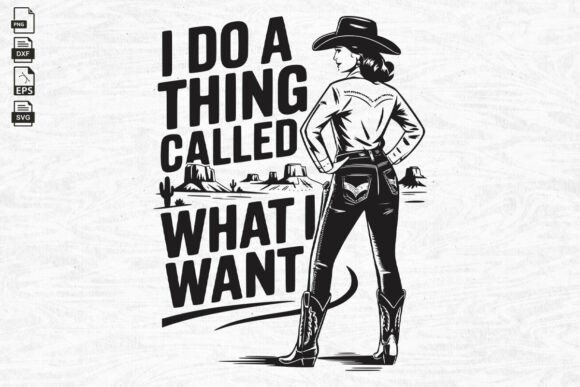
The moment I opened the SVG file for “I Do a Thing Called What I Want, Cowboy,” it was clear this isn’t your average cutesy or minimalist embroidery design. It has a vintage western vibe with a modern twist, combining typography and imagery that evoke a sense of individuality and freedom. The text is stylized yet legible, with a hand-drawn feel that adds charm. Alongside the words, there's a subtle cowboy silhouette or emblem, which gives the design a cohesive theme without overwhelming the message.
What stood out immediately was the layout—clean enough to be versatile, but detailed enough to make a statement. The balance between negative space and stitched elements suggests adaptability across different project types. However, as with any design, the devil is in the stitching details.
Design Structure and Layout
This machine embroidery design uses a combination of satin stitch and fill stitch techniques, which is great for creating depth and dimension. The main text area is compact but not cramped, allowing for some breathing room depending on the placement. The secondary graphic elements are simple but add just enough visual interest to make the design memorable. It feels like a piece that could stand alone on a tote bag or pair well with other graphics in a layered sweatshirt or cap design.
Real-Life Application Scenarios
Let’s say you're an Etsy seller preparing custom embroidered tote bags for your shop. This design could work beautifully as a central feature, especially if you’re targeting customers who love retro aesthetics or western-themed gifts. Its confident tone makes it ideal for personalized items where the message is more important than subtlety—like holiday gifts, boutique branding, or even baby clothes with a playful edge.
- Custom Apparel: On a sweatshirt or t-shirt, the design reads well from a distance, making it a strong candidate for front-and-center placements. The texture of cotton blends will enhance the stitch effects, particularly the satin-stitched lettering.
- Baby Clothes: While the design has a bold presence, it might be better suited for older children or teens rather than infants. Still, if styled appropriately (e.g., using softer thread colors), it could work as a fun addition to a toddler’s hoodie or denim jacket.
- Patches & Caps: For embroidered patches, the detail level is just right—enough to capture the essence of the phrase without being too intricate for small hoop sizes. On curved surfaces like caps or hats, though, careful placement and seam alignment will be key to maintaining clarity.
- Home Decor Items: Pillow covers, aprons, and kitchen towels benefit from designs that have both visual appeal and durability. The structure of this file seems suitable for those purposes, provided the fabric supports dense stitching.
- Commercial Use: If you're planning to sell finished products or digital embroidery files, this one shows potential. Just remember to verify licensing rights before doing so. The listing doesn’t specify commercial use permissions, so always double-check before selling anything derived from the design.
Where Caution Is Advised
While this design is versatile, there are certain situations where it may require extra attention:
- Small Hoop Sizes: The detail in the lettering and graphic means it might get lost if hooped too tightly. Always check the recommended minimum hoop size if available; otherwise, test it on scrap fabric first.
- Textured or Stretchy Fabrics: These can distort the shape of the design, especially the finer lines in the font. Stabilizer is essential here to keep everything aligned and crisp.
- Thin or Dark Fabrics: Thin materials like jersey knit or stretchy lycra won't hold up well under dense stitching. Dark fabrics also pose a challenge unless you choose high-contrast thread colors. Test swatches are a must before committing to production runs.
- Curved Surfaces: On items like baseball caps or curved patches, the design may need resizing or repositioning to maintain symmetry and readability.
- Frequent Washing: Dense areas of fill stitch can pucker over time, especially on garments like baby clothes or aprons. Using quality threads and proper stabilizers can mitigate this issue.
Testing Tips for Embroidery Designers
Before applying “I Do a Thing Called What I Want, Cowboy” to your next project, consider these steps:
- Test on Scrap Fabric: Especially if you plan to use it on delicate or stretchy materials. Observe how the stitches behave and whether they retain their shape after washing.
- Check Thread Color Contrast: Make sure the chosen thread colors pop against the fabric. A black-and-white mockup can help visualize contrast before purchasing colored threads.
- Review Stitch Density: Dense areas might cause puckering or stiffness, so adjust settings accordingly based on fabric type.
- Confirm Hoop Size: Though the file is a single SVG, the actual dimensions aren’t specified. Always confirm the maximum and minimum hoop requirements before starting a job.
- Inspect Small Details: Look closely at the corners and fine lines in the text. Any distortion during stitching can affect the overall look and professionalism of the finished product.
- Use Proper Stabilizer: Especially on stretchy or thin materials. A tear-away or cut-away stabilizer can prevent ripples and misalignment.
- Verify Licensing: Since this is a digital embroidery file intended for craft business use, ensure you have the correct license to apply it to products you plan to sell.
Visual Appeal and Market Potential
In terms of visual impact, “I Do a Thing Called What I Want, Cowboy” delivers. It’s bold, expressive, and has that unique charm that sets handmade products apart from mass-produced alternatives. When stitched correctly, the design adds a layer of personality to any item it adorns—from custom apparel to holiday gifts.
For small shop owners or Etsy sellers, this kind of design can boost buyer engagement by speaking directly to a customer’s identity or values. It’s the sort of thing someone would proudly wear or gift to a friend who loves Western motifs and independent spirit.
However, the success of the design in your projects depends heavily on context. Will it fit your brand? Does it resonate with your target audience? As a designer, I always recommend testing the waters with a few samples to see how it looks in your signature style.
Customer Trust and Professionalism
A well-executed embroidery design like this one can reinforce customer trust in your craftsmanship. It shows attention to detail and an understanding of how to balance artistry with functionality. That said, if the design appears muddled or poorly stitched, it could hurt your reputation—especially in a competitive craft market where presentation matters.
Handmade shops and boutique brands often rely on consistent, professional-looking products to build credibility. This design, when applied thoughtfully, can contribute to that goal. But don’t underestimate the importance of matching it to the right product and fabric.
Final Thoughts for Crafters and Business Owners
“I Do a Thing Called What I Want, Cowboy” is a design that speaks volumes. It belongs in the Crafts and Graphics category because of its flexibility and aesthetic versatility. Whether you're looking to create personalized gifts, update your store’s product line, or experiment with new themes in your embroidery projects, this file offers a lot of creative potential.
But as with any embroidery design, it’s not a one-size-fits-all solution. Consider the project type, fabric, and customer expectations before moving forward. And always take the time to test it out—you’ll save yourself time, materials, and headaches in the long run.
If you're an embroidery designer, a small business owner, or anyone involved in creating digital embroidery assets, this design deserves a spot in your collection—if used wisely. It's not just about having a cool phrase; it's about knowing how to bring it to life on fabric in a way that enhances your product and connects with your buyers.
⬇️ Download FreeFree download · No sign-up required🔗 You Might Also Like
CraftsWhen I first opened the Singing Bird with Microphone and Cowboy digital design f...CraftsAs an experienced embroidery designer and product reviewer, I’ve had my fair sha...CraftsEmbroidery design is all about translating a visual idea into something that wor...CraftsAs an embroidery designer who regularly evaluates graphics for real-world use, I...CraftsEmbroidery design is more than just stitching—it's about storytelling, character...