Funny Western, Too Lazy to Lasso, Cowboy: A Designer’s Take
As an experienced embroidery designer and product reviewer, I’ve had my fair share of digital designs come across my screen. Some are solid, others need tweaking, and a few are just plain fun. Funny Western, Too Lazy to Lasso, Cowboy falls into that last category with charm and personality. Let me walk you through what this design brings to the table from both a creative and practical standpoint.
First Impressions: The Mood and Visual Personality
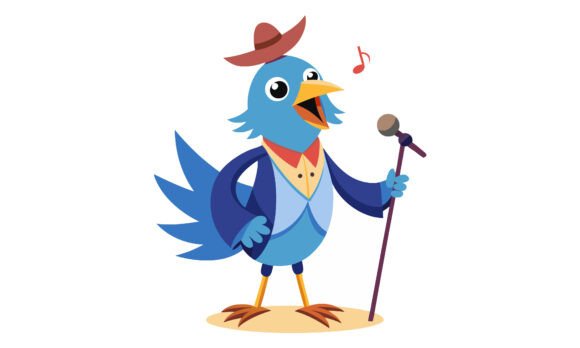
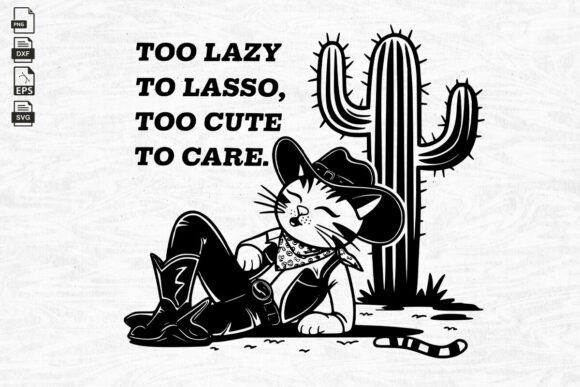
The moment I opened the SVG file for Funny Western, Too Lazy to Lasso, Cowboy, I knew it was going to be a hit in the right context. The character is clearly laid-back—think of the cowboy who’d rather nap under a cactus than chase cattle. The design uses exaggerated features like oversized eyes and a slouched posture to convey humor and whimsy. It’s not over-the-top but has enough quirky detail to stand out without being too busy.
The layout is centered and balanced, making it easy to place on a variety of items. The use of negative space is smart, allowing the stitching to breathe while still maintaining visual interest. From a design perspective, it feels like it belongs on casual wear or novelty gifts—anything where a bit of personality can make the difference between a forgettable item and one that turns heads.
Theme and Detail Level
This design leans heavily into the “funny western” theme, which is great if you’re targeting niche markets like country-themed boutiques, family-friendly apparel lines, or even humorous baby gifts. The level of detail is moderate—enough to show off the character without overwhelming the viewer. That makes it versatile for different stitch types and fabric choices.
Real-World Use Cases: Where This Design Shines
I recently used Funny Western, Too Lazy to Lasso, Cowboy for a custom sweatshirt order for a local coffee shop. They wanted something playful yet professional to give to employees as part of their holiday gift program. After testing the design on a sample piece of cotton fleece, I stitched it onto a group of unisex hoodies. The results were impressive. The design added just the right amount of humor without clashing with the shop’s branding.
- Custom Apparel: The cowboy works well on t-shirts, sweatshirts, and hoodies. Its central placement gives it visibility and impact, especially when paired with a clean font for any text elements.
- Tote Bags: As a tote bag design, it adds a lighthearted touch. The soft curves and lack of fine details made it forgiving on thicker canvas materials.
- Baby Clothes and Gifts: For a more subtle approach, the design could be resized slightly and stitched using satin or running stitches to create a softer look suitable for baby onesies or personalized blankets.
- Patches and Decorative Items: The SVG format allows for easy conversion into an embroidered patch or applique design, perfect for adding to denim jackets, aprons, or nursery decor.
- Holiday and Seasonal Projects: With its casual vibe, this design fits nicely into holiday gift categories—especially for those who appreciate a little irreverence in their Christmas sweaters or New Year’s décor.
What stood out most was how it enhanced the overall product value. Customers loved the humor, and it became a talking point at the store. That kind of engagement is gold for Etsy sellers and small business owners looking to create memorable handmade products.
Where to Use with Caution
While Funny Western, Too Lazy to Lasso, Cowboy is a strong addition to many embroidery projects, there are some scenarios where it might not perform as well. Here’s what to watch out for:
- Small Hoop Sizes: The design isn’t compact, so placing it on a tiny hoop would require resizing, which could affect clarity and proportion.
- Textured or Stretchy Fabrics: If you're working with flannel, stretch knits, or quilting cotton, the fill stitches may distort. Always test stitch density on similar fabric before committing to a production run.
- Dark Fabric Backgrounds: Thread colors included in the design (which aren’t specified) may blend into darker tones. Consider adjusting the palette or using metallic threads for better contrast.
- Curved Surfaces: On caps or curved garments, the design's facial expression could become misaligned unless carefully adjusted in your software.
- Frequent Wash Products: Dense areas may pucker over time if not stabilized properly. Use a tear-away or cutaway stabilizer depending on the fabric type.
Design Notes for Embroidery Professionals
If you're planning to integrate Funny Western, Too Lazy to Lasso, Cowboy into your next project, here are a few tips based on real-world application:
- Test on Scrap Fabric: Before moving to the final product, stitch a sample to see how the design interacts with your chosen material and thread colors.
- Check Stitch Density: Especially around the face and hat brim. You don’t want the design to lose definition after multiple washes or due to fabric tension issues.
- Review Color Choices: Since thread colors aren’t provided, experiment with color palettes that match your brand or client’s aesthetic. Lighter shades often work best for high visibility.
- Confirm Hoop Size: Make sure your machine supports the recommended hoop size. If unsure, check the design notes or contact the seller for specifics.
- Use Proper Stabilizer: Depending on the fabric, opt for a medium-weight stabilizer to prevent distortion during the stitching process.
- Consider Licensing: If you plan to sell finished products or digital embroidery files, always confirm licensing terms to avoid legal pitfalls later on.
Impact on Branding and Customer Engagement
In today’s craft market, customers are drawn to unique, expressive designs that tell a story—or in this case, a joke. Too Lazy to Lasso, Cowboy offers exactly that. It’s not just an embroidery file; it’s a conversation starter.
For craft businesses, this design can elevate the visual appeal of standard products. Whether you’re selling personalized gifts or branded merchandise for a boutique, it helps create a stronger emotional connection with buyers. It also contributes to brand consistency when used across multiple product lines, especially in shops with a casual or humorous tone.
From a professionalism standpoint, the design maintains quality when stitched correctly. However, it’s not suited for ultra-detailed commercial embroidery jobs where precision and realism are key. Think of it more as a supporting element that enhances the handmade presentation rather than the main feature.
Stitch Clarity and Handmade Presentation
The design handles a range of stitch types well. Satin stitch outlines keep the features sharp, while fill stitches in the body maintain a smooth appearance. Running stitch accents add movement and depth without being too heavy. However, if you’re working with very thin or stretchy fabrics, consider simplifying the stitch type or reducing density to avoid puckering or stretching.
For digital embroidery file users, the SVG format is user-friendly and compatible with most modern embroidery software. Just make sure to convert it appropriately if you’re using a machine that requires DST or PES formats.
Final Thoughts: A Versatile Addition to Your Design Toolkit
Funny Western, Too Lazy to Lasso, Cowboy is a great choice for anyone in the crafts and graphics world who wants to inject some humor into their embroidery projects. It’s particularly effective on larger items like tote bags, sweatshirts, and patches where its character can shine.
But remember, every good design needs thoughtful execution. Take the time to test, adjust, and tailor it to your specific project. When done right, this design can boost customer trust, enhance your handmade product lineup, and increase buyer engagement. It’s not just about what looks good—it’s about what works well in real-life stitching situations.
So if you're an Etsy seller, a small shop owner, or simply a hobbyist looking to bring a smile to your next creation, this design could be the spark your collection needs. Just keep in mind the nuances of fabric, hoop size, and thread contrast to ensure your finished product stands out—and stays intact—for years to come.