Western Cowboy Hat Icon Collection: A Designer’s Practical Take
As an embroidery designer who regularly evaluates graphics for real-world use, I recently had the chance to work with the Western Cowboy Hat Icon Collection. This design set is marketed as a versatile asset for crafters and small business owners. But how does it hold up when applied to actual projects? Let’s dive into what I found after testing it on a variety of materials and scenarios.
A Silhouette That Speaks Volumes
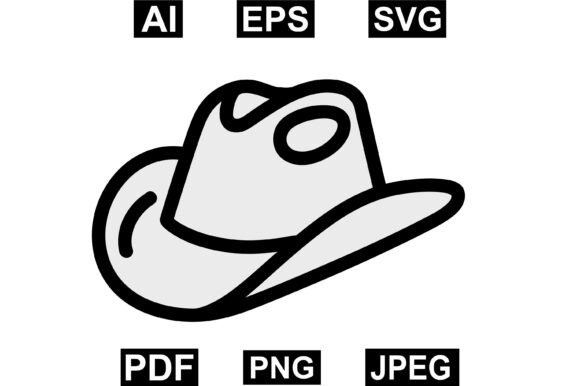
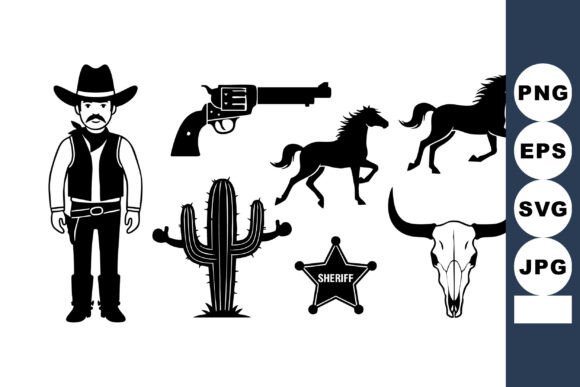
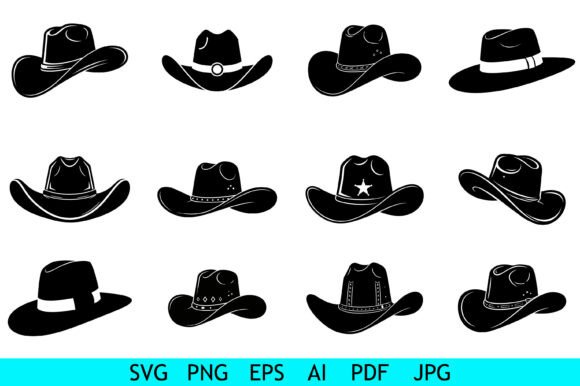
The first thing that struck me about this collection was its strong visual identity. The cowboy hat silhouette is bold and instantly recognizable—classic western motifs like the sheriff badge, rodeo symbols, and vintage details are rendered in clean, stylized forms. It doesn’t try to be too ornate or cluttered, which is a relief. Instead, it uses negative space and subtle shading to create depth without overwhelming the viewer.
This makes it ideal for machine embroidery designs where clarity and stitchability are key. The overall layout feels balanced and structured, which is important when you're planning to scale it across different products. Whether you're working on a tote bag or a custom sweatshirt, the design adapts well while maintaining its rustic charm.
Visual Personality and Project Fit
I immediately thought of using this icon set for a tote bag design aimed at boutique shoppers and fans of Americana style. The cowboy hat alone can serve as a statement piece, but the inclusion of supporting elements like ropes, stars, and boots allows for more layered compositions. The vintage sheriff motif also has potential in custom apparel, especially if paired with names or dates for personalized gifts.
What stood out most was the design assets being delivered in multiple formats—SVG, PDF, JPEG, PNG Transparent, EPS, and AI. This level of flexibility is essential for anyone creating both physical and digital products. As an Etsy seller, I appreciate having editable files to tweak the design before finalizing a project.
Real-Life Embroidery Performance
After downloading the embroidery file, I tested it on several common items in my workflow: a cotton sweatshirt, a linen tote bag, and a felt patch. Here's how it performed:
- Sweatshirt Embroidery: The hat looked great on a light-colored hoodie, especially when stitched with a mix of white and off-white thread. The satin stitch around the brim gave it a polished look, while the fill stitch added texture without being too dense.
- Tote Bag Design: On linen, the design held up well, though I noticed that the corners of some icons required a bit of manual trimming post-stitching. Still, the outcome was professional and would appeal to customers looking for something stylish yet subtle.
- Embroidered Patch: The running stitch details came through clearly, making it perfect for a themed patch collection. The transparent PNGs were useful for previewing how the design would look once transferred to fabric.
Each time, I made sure to test on scrap fabric first, adjusting stabilizer and hoop size as needed. This is always a good step when working with new machine embroidery designs, especially ones that include fine lines or intricate shapes.
Thread Color and Fabric Texture Considerations
One of the strengths of this design is its adaptability in terms of thread colors. Because the outlines are distinct and not overly detailed, you can easily customize the color palette to match your brand or client preferences. However, I did notice that the contrast between elements and background becomes critical when using dark fabrics. Always test the embroidery file in black and white to ensure visibility before committing to specific threads.
Fabric texture also plays a role. On smoother cotton blends, the stitching was crisp and even. But when I tried it on a slightly textured canvas for a handmade product, the result was less sharp. If you’re working with anything other than standard woven fabrics, consider reducing stitch density or reinforcing areas with backtack stitches to maintain integrity.
Where to Use With Care
While the Western Cowboy Hat Icon Collection is impressive, there are situations where it needs a little extra attention:
- Small Hoop Sizes: Some of the finer silhouettes may get lost if scaled down too much. I recommend checking the smallest usable hoop size for each icon.
- Stretchy or Thin Fabrics: The design’s structure works best on stable surfaces. Stretchy knits or delicate linens could distort the shape unless you use a firm backing stabilizer.
- Dark Fabric Backgrounds: The icons rely on visual contrast. Without careful thread selection, they might appear washed out or lack definition.
- Curved Surfaces: When applying the design to a cap or curved surface, make sure to adjust the placement and possibly break the design into sections for better coverage.
- Dense Stitch Areas: While the design isn’t overly complex, certain parts—like the inner detailing of the hat—may require more attention during digitization to avoid puckering or distortion.
If you're considering using this in a commercial embroidery setting, particularly for high-volume production, keep these factors in mind. Small imperfections can multiply quickly in such environments.
Design Clarity and Customer Appeal
From a customer perspective, the Western Cowboy Hat Icon Collection has a clear visual message. It speaks to themes of adventure, nostalgia, and Americana, which are popular among craft business audiences. The icons aren't just decorative—they tell a story, which adds to their giftability and emotional resonance.
When used correctly, the design enhances the product value and creates a sense of professionalism. For apparel decorators and small shop product creators, this kind of visual storytelling can boost buyer engagement and reinforce brand consistency, especially if you're targeting niche markets like western-themed boutiques or holiday gift shops.
Practical Tips for Real Projects
Here are a few tips from my experience using this design in real-life embroidery projects:
- Always test the design on scrap fabric before starting a client order or mass-producing items.
- Review stitch density settings, especially for fill areas. Too tight and it puckers; too loose and it looks unfinished.
- Confirm the hoop size requirements for each icon, especially if you plan to scale them for smaller products like baby clothes or aprons.
- Inspect tiny lettering or corner details under magnification. These can be problematic on stretchy or thin materials.
- Use printable mockups to visualize the final product on different backgrounds. The included PNG Transparent files are very helpful here.
- Check licensing before selling finished items or digital embroidery files. This ensures you stay within legal boundaries and build trust with buyers.
Perfect for Digital Product Sellers
If you're a digital product seller, the Western Cowboy Hat Icon Collection is a solid choice. The SVG and AI files allow for easy editing and resizing, making it adaptable for everything from holiday embroidery to branding elements. You can even create a series of embroidered patches with varying sizes and styles, tailored for craft fair products or nursery decor.
However, don’t assume all variations will translate perfectly. Test the design on different mockup templates to see how it behaves when stretched or placed asymmetrically. This helps avoid surprises when customers start using your design assets in unexpected ways.
Final Thoughts for Makers and Entrepreneurs
In summary, the Western Cowboy Hat Icon Collection offers a fresh take on a classic theme. Its clean silhouettes and thoughtful layout make it suitable for a wide range of handmade products and commercial applications. As a seasoned reviewer, I find it reliable enough for both personal and professional use, but only if you approach it with the right tools and techniques.
For creative entrepreneurs and crafters, this design provides a valuable addition to your Graphics library. Just remember to consider the fabric, hoop size, and thread color carefully. With those adjustments, it can elevate your Crafts and help your finished product stand out in a crowded market.
Whether you're preparing a custom sweatshirt for a rodeo team or designing a line of personalized gifts, the Western Cowboy Hat Icon Collection deserves a spot in your next project—if used with awareness and care.